Introduction
Fire emergencies can occur without warning and escalate quickly if proper precautions are not in place. A small spark from faulty wiring, an overheated appliance, or unattended cooking can spread within minutes and cause serious damage. In many cases, these incidents could have been prevented through simple fire prevention tips and proper safety planning.
Many property owners assume that installing a smoke detector is enough to keep their building safe. Effective fire safety requires a combination of preparation, regular maintenance, and properly installed fire protection systems. Whether you manage a home, office building, warehouse, or restaurant, having reliable fire safety equipment and clear emergency procedures is essential.
For businesses across Los Angeles and Southern California, maintaining commercial fire protection is also required for regulatory compliance. Local fire codes require functioning fire alarm systems, fire suppression systems, and regular fire safety inspections to ensure buildings remain safe for occupants.
Understanding fire prevention strategies and maintaining building fire protection systems can significantly reduce the risk of fires and protect both people and property.
Why Fire Safety Is Critical for Businesses and Properties
Fires can cause devastating consequences for both residential and commercial buildings. Property damage, business interruption, equipment loss, and potential legal liability are just a few of the risks associated with fire incidents.
Most fires occur due to preventable hazards. Electrical failures, overloaded circuits, improperly stored flammable materials, and heating equipment malfunctions are among the most common causes. These issues highlight the importance of implementing strong workplace fire safety practices and routine safety checks.
For commercial properties, fire protection goes beyond prevention. Businesses must ensure their building fire protection systems meet local regulations and insurance requirements. Fire alarm maintenance, sprinkler system inspections, and suppression system testing are all part of maintaining a safe and compliant facility.
When fire protection systems are properly installed and maintained, they help detect fires early, alert occupants quickly, and suppress flames before they spread.
Understanding Modern Fire Protection Systems
Modern buildings rely on several layers of fire protection technology designed to detect, control, and extinguish fires before they become major emergencies. These building fire protection systems are carefully designed to work together to improve overall safety.
Fire Alarm Systems
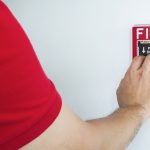
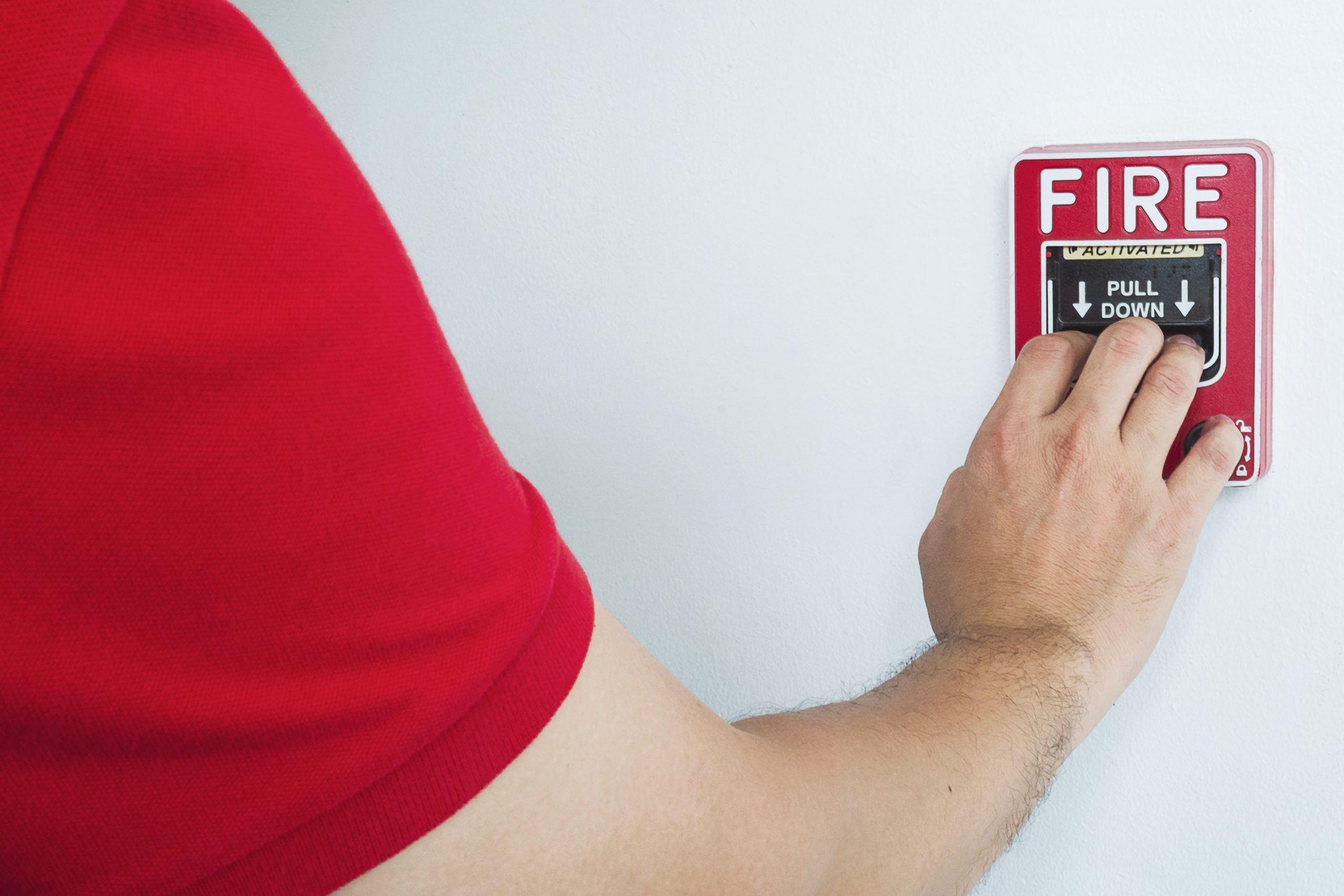
Fire alarm systems play a critical role in early fire detection. These systems detect smoke, heat, or flames and alert building occupants immediately so they can evacuate safely.
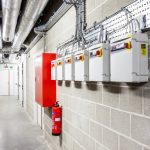
A typical fire alarm system includes detectors, control panels, and audible alarms that notify everyone in the building. Many commercial systems are connected to monitoring services that notify emergency responders automatically.
Regular fire alarm maintenance ensures these systems function correctly when needed. Routine inspections and testing help identify potential issues before they compromise safety.
Businesses can learn more about detection systems on Fire Alarm and Detection Systems, which explains how early detection helps prevent serious damage.
Fire Suppression Systems
Fire suppression systems are designed to control or extinguish fires automatically once they are detected. These systems are commonly used in commercial kitchens, server rooms, manufacturing facilities, and warehouses where fire risks may be higher.
Depending on the environment, suppression systems may use water, chemical agents, foam, or clean agents to stop fires quickly. Commercial kitchen systems, for example, are specifically designed to stop grease fires before they spread through ventilation systems.
In industrial environments, specialized industrial fire protection systems may be installed to protect equipment and hazardous materials. These systems play an important role in reducing damage and protecting critical infrastructure.
Fire Sprinkler Systems
Fire sprinkler systems are one of the most effective fire protection technologies used in commercial buildings. When heat from a fire reaches a certain temperature, sprinklers activate and release water to control the flames.
Regular fire sprinkler inspection ensures these systems remain operational and compliant with fire safety standards. Sprinkler systems can significantly reduce fire damage and prevent fires from spreading throughout a building.
Fire Extinguishers and Safety Equipment
Fire extinguishers are essential fire safety equipment used to control small fires before they grow larger. They should always be placed in accessible locations and inspected regularly to ensure they remain fully charged and functional.
Many facilities also install additional fire safety equipment such as fire blankets, emergency lighting, and carbon monoxide detectors to improve building safety.
Understanding how to properly use fire extinguishers is also important. MG Fire provides additional guidance in their resource about Fire Extinguishers and Fire Safety Equipment.
Essential Fire Safety Practices for Every Property
While fire protection systems provide important protection, everyday habits also play a significant role in preventing fires.
Smoke detectors should be installed throughout the building, including bedrooms, hallways, and common areas. Early detection provides valuable time for occupants to evacuate safely.
Smoke alarms should be tested regularly to ensure they function properly. Replacing batteries and checking system performance helps maintain reliable protection.
Every property should also have a fire emergency planning strategy. Clear evacuation routes, emergency exits, and designated meeting locations outside the building help ensure occupants can leave quickly during an emergency.
Cooking safety is another important aspect of fire prevention. Unattended cooking is one of the leading causes of residential fires. Remaining attentive while cooking and keeping flammable materials away from stovetops can prevent many incidents.
Electrical safety is equally important. Overloaded circuits, damaged wiring, and excessive use of extension cords can create fire hazards. Regular electrical inspections help identify potential risks before they lead to fires.
Proper storage of flammable materials is another important precaution. Chemicals, fuels, and other combustible materials should always be stored in appropriate containers away from heat sources.
Creating a Fire Emergency Plan
Having a clear fire emergency planning strategy ensures occupants know exactly what to do when a fire occurs. Without preparation, people may panic and lose valuable time during emergencies.
Every building should identify at least two exit routes from each room. Clear signage and emergency lighting should guide occupants toward exits.
Designating an outdoor meeting location ensures everyone can be accounted for after evacuation. Families and businesses should also practice fire drills regularly so occupants are familiar with evacuation procedures.
Regular fire drills help reinforce workplace fire safety practices and ensure everyone understands how to respond during emergencies.
Electrical and Heating Fire Safety
Electrical systems and heating appliances are responsible for many building fires. Faulty wiring, overloaded circuits, and poorly maintained heaters can easily ignite nearby materials.
Scheduling routine electrical inspections helps identify potential hazards early. Damaged cords should be replaced immediately, and heating equipment should always be placed away from combustible materials.
Combining safe electrical practices with properly maintained fire protection systems creates an additional layer of protection for buildings.
Fire Safety for Children, Employees, and Pets
Fire safety planning should involve everyone who occupies the building. Children should learn basic fire safety rules and understand what to do if they hear a smoke alarm.
Employees working in commercial buildings should be trained on evacuation procedures and workplace fire safety practices. Clear signage and emergency exit lighting help guide occupants during emergencies.
Pets should also be considered in evacuation planning to ensure they can leave safely during emergencies.
Seasonal and Outdoor Fire Safety
Certain seasons can increase fire risks, especially in dry climates like Southern California. Outdoor fire hazards can develop when dry vegetation, strong winds, and high temperatures combine.
Property owners should regularly clear dry leaves and vegetation around buildings to reduce ignition risks. Outdoor grills and fire pits should always be monitored while in use.
Firewood should be stored away from buildings, and outdoor electrical equipment should be inspected periodically to prevent accidental ignition.
The Role of Professional Fire Protection Services
While fire prevention habits are important, professional fire protection services ensure safety systems are properly installed and maintained.
Fire protection specialists inspect alarm systems, sprinkler systems, suppression equipment, and other fire safety equipment to ensure they meet regulatory requirements.
Routine fire safety inspections help detect outdated systems, damaged equipment, or compliance issues before they become serious risks.
Businesses across Los Angeles rely on experienced fire protection providers to maintain safe buildings and ensure compliance with local fire safety regulations.
Conclusion
Fire safety begins with awareness, preparation, and reliable equipment. Installing effective fire protection systems, conducting routine inspections, and following responsible fire prevention practices can significantly reduce fire risks.
Whether protecting a home or managing a commercial facility, investing in fire safety today helps prevent serious damage and protects lives in the future.
Protect Your Property with Professional Fire Protection Services
If you want to ensure your property is fully protected and compliant with fire safety regulations, working with experienced professionals is essential.
MG Fire Protection provides comprehensive fire protection services throughout Los Angeles and Southern California, including fire alarm systems, fire suppression systems, fire sprinkler inspections, and complete commercial fire protection solutions.
Visit mgfire.com to schedule a fire safety inspection and ensure your property remains safe and compliant.
FAQ Section
- What are the most important fire safety tips for businesses?Businesses should install reliable fire protection systems, maintain fire alarm systems, conduct regular inspections, train employees on evacuation procedures, and keep fire extinguishers accessible.
- How often should fire protection systems be inspected?
Most fire protection systems should be inspected annually, although some equipment such as fire extinguishers and alarms may require more frequent checks depending on local regulations. - Why are fire suppression systems important for commercial buildings?
Fire suppression systems automatically control fires when heat or smoke is detected. They help prevent fire spread, reduce property damage, and improve building safety.What causes most building fires?
The most common causes include electrical faults, cooking accidents, heating equipment malfunctions, and improperly stored flammable materials. - Why are fire alarm systems necessary?Fire alarm systems provide early detection and warning, allowing occupants to evacuate quickly and emergency responders to be notified immediately.